
UBC Pilot Program
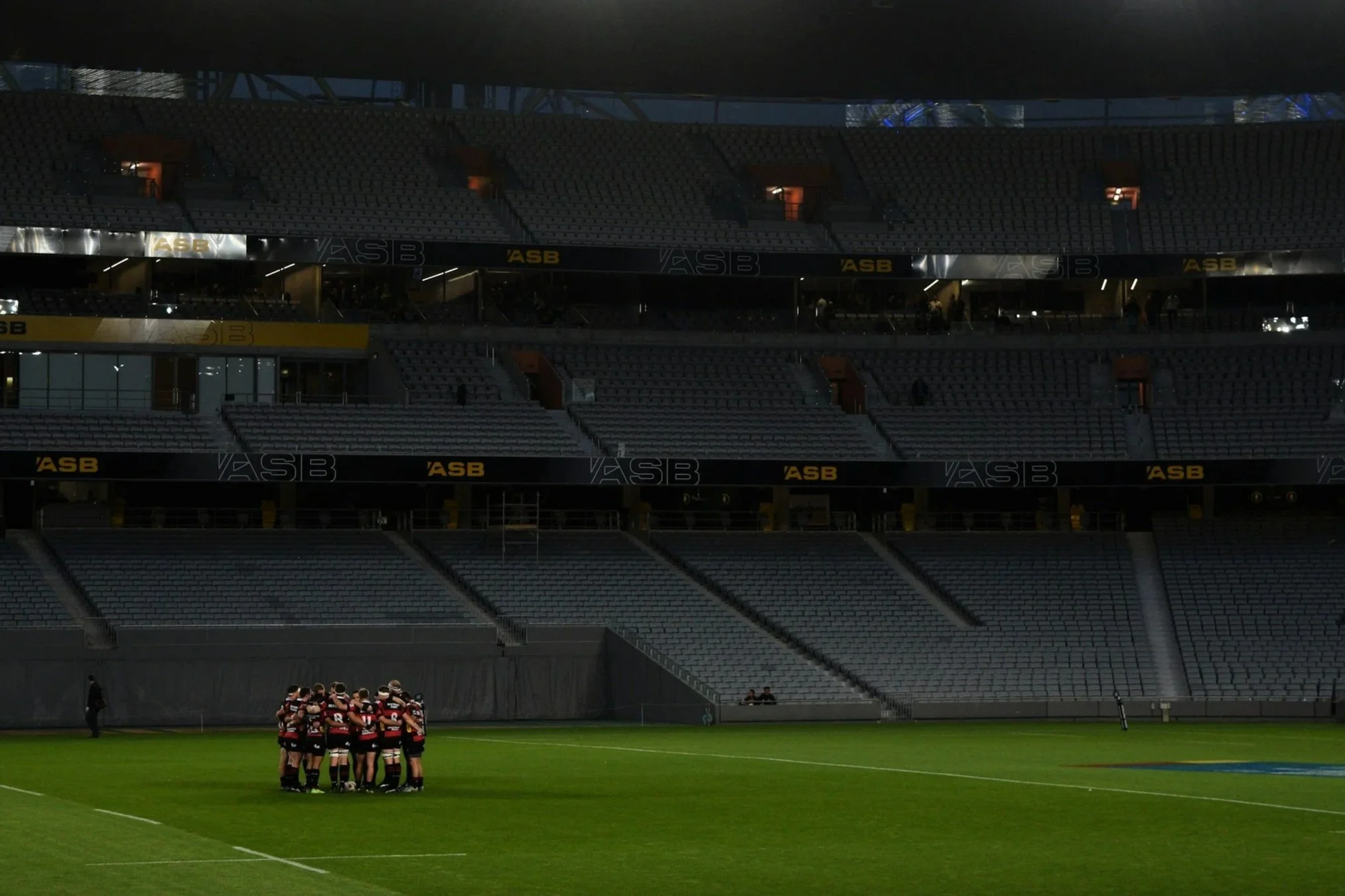
A strategic regroup after the call.
Alongside the CIRC training program, we’ve developed the Strategic Regroup, a structured, culturally-responsive approach that helps teams and leaders come together after critical incidents.
The Strategic Regroup™ helps first responders stabilize team structure and functions, reconnect team members and re-establish relationships, and to restore functional readiness.
Following our experience in 2025 delivering support to first responders in the aftermath of a mass casualty event, the Strategic Regroup was created to apply recent research on best practices in restorative and protective post-traumatic incident recovery environments.
Leveraging research from community level disaster response, and lessons learned from our multinational study of high performance and recovery factors in elite military teams, the Strategic Regroup has become an evidence-informed alternative to traditional critical incident debriefing approaches. This approach supports a relational approach to recovery without forcing disclosure or turning operational workspaces into therapy rooms.
About the Pilot
In collaboration with our first responder partner organizations, the Strategic Regroup pilot program is currently undergoing testing and evaluation at the University of British Columbia (UBC).
Core elements:
A clear regroup sequence leaders can use consistently
Immediate stabilization and simple recovery actions
Peer connection and “return-to-team” competence
Follow-up pathways when someone needs more support
The Strategic Regroup is designed to be culturally workable: practical language, respectful pacing, and clear boundaries—so leaders can support recovery without turning operational spaces into therapy rooms.
Why it matters to organizations
Because exposure is part of the job. But unnecessary harm after exposure doesn’t have to be.
Strategic Regroup is built around a simple premise: if we strengthen the recovery environment—how we treat each other, how we reconnect, and how we normalize support—we reduce the predictable pathways to longer-term injury and improve capacity across a career.
Watch for more information on the pilot evaluation outcomes coming in 2027.
Who this is for
Leaders who want a consistent way to support crews after difficult calls
Departments focused on retention, culture, and sustainable performance
Organizations working to reduce isolation, blame cultures, and cumulative operational load
Teams who want to be connected, mission-ready, and recovery-competent
Start where you are
We start where you are, not with a “right way” of doing it. We work with you to learn your culture, constraints, and language, to co-design a recovery approach that fits your reality.