
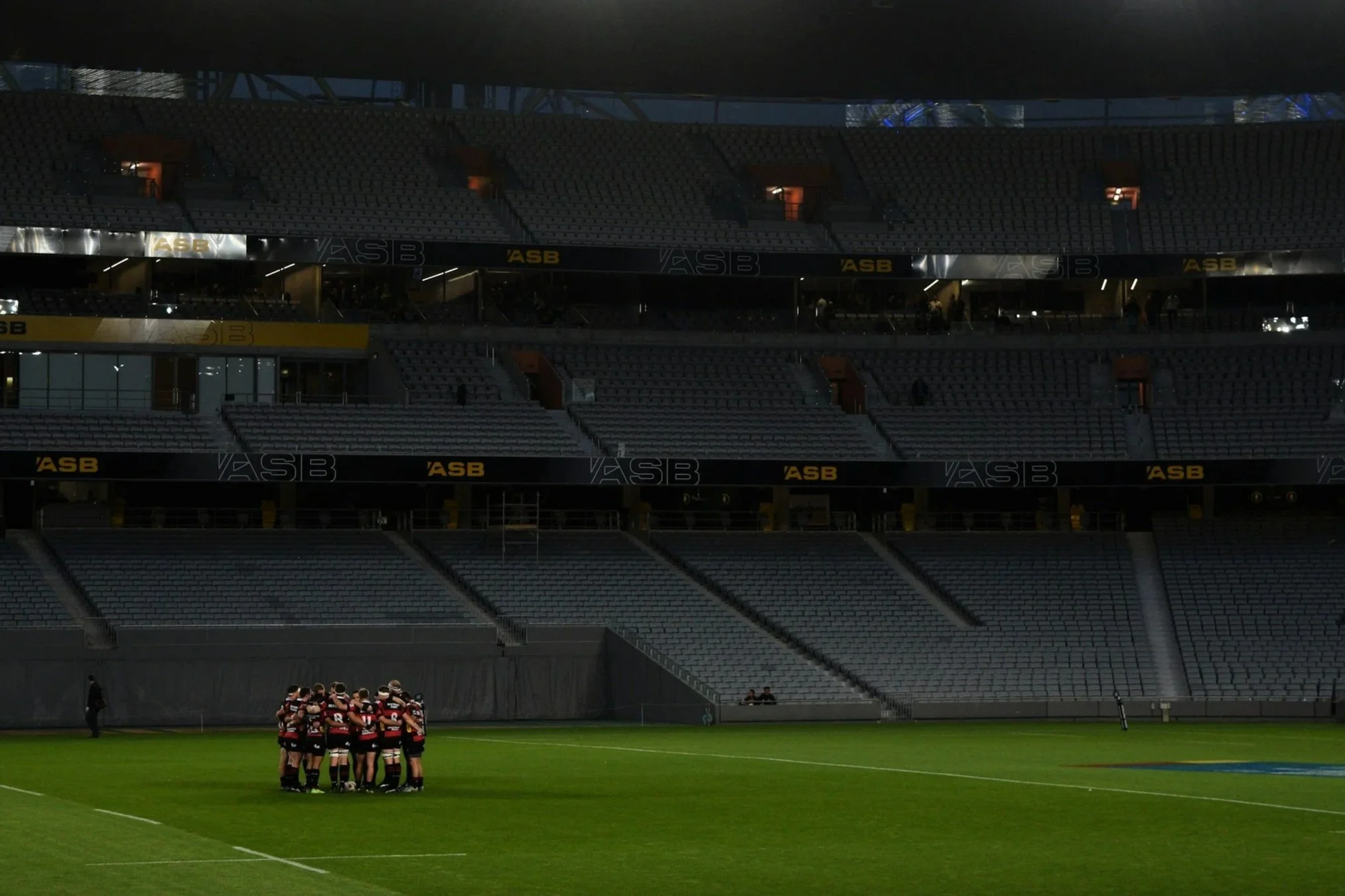
Make resilience a shared capability
Critical Incident Recovery Competence (CIRC) Program
Coming back from a difficult event healthier, stronger, and faster is the ultimate goal. It’s also a team effort.
In high-performing teams, resilience isn’t an individual trait you either have or don’t have. Individual responses to challenging events are impacted by how the whole team responds when things gets hard, and the circumstances in which they pursue recovery.
Throughout our work over many years supporting high-performing teams after critical incidents, the evidence points to a consistent conclusion—the quality of the recovery environment is one of the strongest, long-term predictors of individual health and wellness.
First responders don’t get to choose what they’re exposed to, but they do have real influence over what happens after exposure.
This program demonstrates to participants how to respond and support their people in the aftermath of critical incidents, and how to regroup and return to work—and each other.
Learn more about recovery competence →
Why the recovery environment matters
After a critical incident, people tend to take emotional response and behaviour cues from their environment:
Are they noticed, or are they allowed to ‘disappear’?
Are they met with respect, or with blame, second-guessing, gossip, and shaming?
Does the team move forward together with connection, or drift into silence and isolation?
Are there practical ways to regroup, or do people ‘push on’ and carry their emotions individually?
When people are left in isolation post-incident—or if they’re neglected, bullied, blamed or shamed—the trajectory toward greater injury is predictable.
It’s not a sign of weakness, but of an environment that trains our nervous systems to understand that we’re not safe; we’re on our own.
A culture of recovery competency does the opposite—it strengthens the protective factors that teams can actually control:
Belonging
Psychological safety
Clean communication
Plans and strategies for care
The recovery environment can protect people not only after a single event, but across a career.